



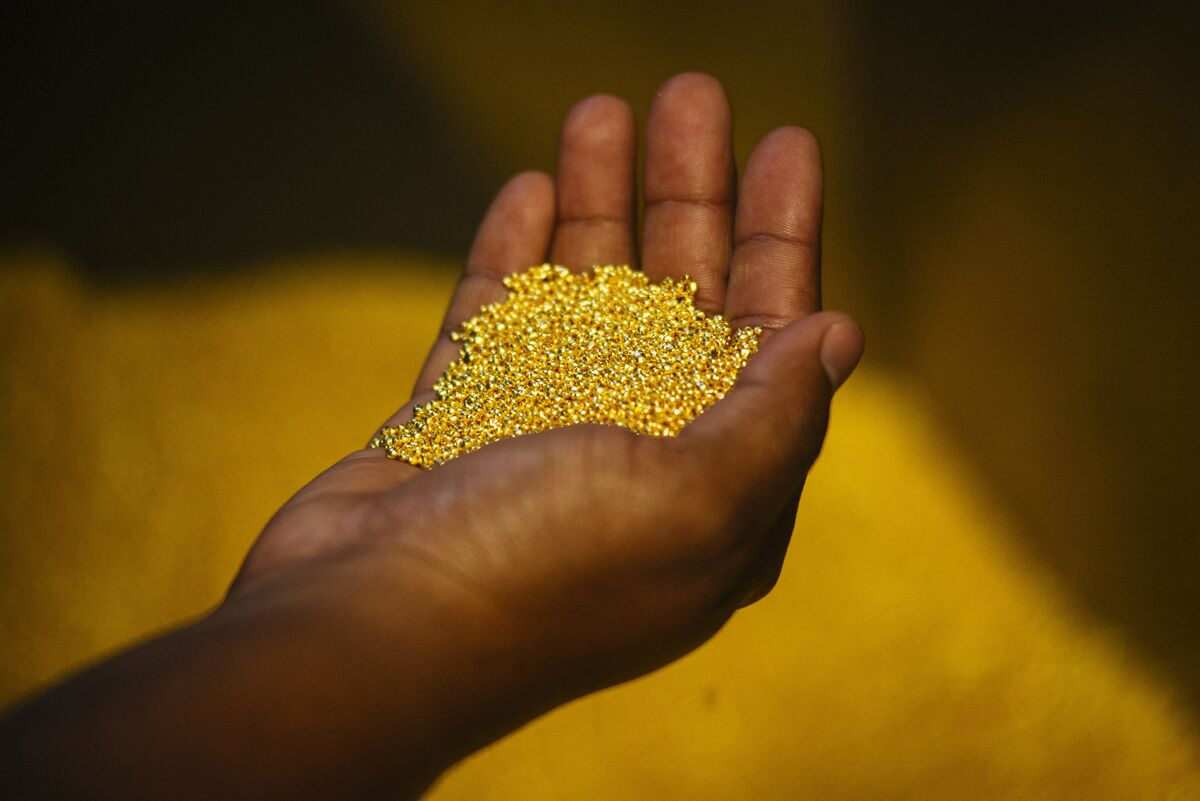
Description
Buy Gold Nuggets from Cameroon – Natural Alluvial Gold for Qualified Buyers
BONAS Gold provides information and sourcing support for buyers evaluating natural gold nuggets from Cameroon, including alluvial gold recovered from sand and gravel deposits. Natural gold nuggets can appeal to refineries, precious-metal businesses, jewellery manufacturers, collectors, and other qualified buyers, but their commercial value depends on more than appearance or weight.
For a professional gold transaction, buyers should evaluate gold fineness, gross weight, fine-gold content, origin, provenance, assay documentation, responsible sourcing, and applicable export requirements.
The London Bullion Market Association (LBMA) defines alluvial gold as newly mined gold recovered from sand and gravel deposits, often near streams. It can occur as dust or nuggets and remains mined gold until it has been refined.
Gold Nugget Product Overview
| Specification | Buyer Information |
|---|---|
| Product | Natural gold nuggets |
| Material | Newly mined / alluvial gold, where applicable |
| Origin | Cameroon, where supported by transaction documentation |
| Appearance | Naturally formed irregular gold pieces |
| Purity | Determined by assay; varies by individual nugget or parcel |
| Weight | Based on the specific nugget or available parcel |
| Refining status | Unrefined mined gold |
| Primary buyers | Refineries, commercial gold buyers, jewellers and qualified collectors |
| Verification | Independent weighing and assay recommended |
| Documentation | Transaction-specific origin, assay and regulatory documentation |
| Pricing | Based on fine-gold content, market conditions and, for collectors, physical characteristics |
What Are Natural Gold Nuggets?
A gold nugget is a naturally occurring piece of native gold, often associated with alluvial or placer deposits.
Unlike refined bullion, a natural nugget is not manufactured to a standardized purity or shape. Its appearance can vary considerably depending on its geological and depositional history.
Nuggets may therefore differ in:
- Weight
- Shape
- Surface texture
- Gold fineness
- Silver content
- Mineral inclusions
- Provenance
- Collector appeal
LBMA specifically recognizes nuggets as one form in which alluvial mined gold can occur and explains that alluvial gold requires refining before being used as bullion or jewellery.
Gold Nugget Purity: Why Assay Is Important
A natural gold nugget should not automatically be described as 85%, 90%, 95%, 22K or 24K gold without supporting analytical evidence.
Natural gold can contain varying proportions of gold and other metals, particularly silver. The appropriate way to establish commercial fineness is through assay or other suitable analytical testing.
LBMA explains that gold fineness represents the proportion of gold in parts per thousand. For example:
- 750 = 75.0% gold
- 916 = 91.6% gold
- 995 = 99.5% gold
- 999.9 = 99.99% gold
For significant transactions, independent sampling and assay can help establish the actual precious-metal content. LBMA describes inspection and assay as fundamental to determining the precise content of precious metals in high-value transactions and emphasizes the importance of independent services.
How to Calculate the Fine Gold Content of a Nugget
A simple starting calculation is:
Fine gold content = gross weight × assay fineness
For example, if a nugget weighs 100 grams and an appropriate assay determines a fineness of 900, the estimated contained gold is:
100 g × 90% = 90 g of fine gold
The final commercial settlement may differ because of assay methodology, refining charges, payable-metal terms, treatment of other precious metals, logistics and the contractual terms agreed by the parties.
This is why professional buyers should evaluate a nugget according to its verified fine-gold content, rather than relying only on gross weight.
Are Gold Nuggets the Same as Gold Dust?
No.
Both can occur as alluvial gold, but their physical form is different.
Gold Nuggets
Gold nuggets are naturally formed pieces of visible gold. Their irregular shape and natural appearance can make them relevant to collectors and jewellery applications in addition to conventional precious-metal processing.
Gold Dust
Gold dust consists of much smaller gold particles, often recovered from alluvial deposits.
Gold Doré
Gold doré is a semi-refined gold alloy produced through mining and processing operations. It is normally supplied in bar form and requires further refining.
Gold Ore
Gold ore is rock or gravel containing economically recoverable gold. Unlike concentrated alluvial gold, ore normally requires mineral processing before the gold can be efficiently refined.
Understanding these differences is important when comparing gold offers because a kilogram of ore, a kilogram of gold dust, a kilogram of nuggets and a kilogram of doré do not have the same economic value.
What Determines the Value of a Gold Nugget?
For commercial refining, the most important factor is generally the amount of recoverable fine gold.
For collector or jewellery purposes, additional characteristics can affect value.
Commercial Factors
- Gross weight
- Assayed gold fineness
- Fine-gold content
- Silver and other payable metals
- Current gold market price
- Refining costs
- Assay costs
- Transportation and insurance
- Applicable taxes and government charges
Collector Factors
Some natural nuggets can have additional collector interest because of:
- Unusual shape
- Natural crystalline features
- Surface texture
- Rarity
- Documented provenance
- Historical or geological significance
- Aesthetic characteristics
A collector premium should therefore be distinguished from the underlying metal value.
Why We Do Not Publish a Fixed Gold Nugget Price Table
A generic price table for 1 g, 10 g, 100 g or 1 kg nuggets can be misleading.
Two nuggets with the same gross weight may have different gold fineness, mineral composition, provenance and collector characteristics. In addition, the underlying gold market price changes continuously.
For commercial transactions, a more transparent approach is to establish the price using:
Weight → Assay → Fine-gold content → Applicable market reference → Refining/settlement terms
For collector-grade pieces, additional evaluation may be appropriate.
Responsible Sourcing and Gold Origin
A professional buyer should be able to establish where the gold came from and understand the supply chain through which it was acquired.
The origin of mined gold refers to the mine where the gold was extracted. LBMA’s responsible-gold framework distinguishes mined gold from recycled gold and emphasizes supply-chain due diligence for mined gold from both large-scale and artisanal/small-scale mining.
For a Cameroon-origin gold transaction, buyers should therefore consider:
- Seller identity
- Declared production area
- Origin documentation
- Counterparty due diligence
- Assay documentation
- Chain-of-custody information
- Applicable government documentation
- Export requirements
- Import requirements in the destination country
Avoid treating phrases such as “conflict-free,” “certified,” “guaranteed authentic,” or “legally exported” as sufficient evidence on their own. Such statements should be supported by transaction-specific documentation.
Cameroon Gold Export Requirements
International buyers should pay particular attention to the legal framework governing gold produced in Cameroon.
Cameroon’s Mining Code, Law No. 2023/014 of 19 December 2023, provides specific rules concerning the production, marketing and export of mineral substances.
Section 117 states that mineral substances extracted from Cameroon’s subsoil and destined for export must undergo expert valuation by an approved laboratory. It also states specifically that gold produced in Cameroon shall be exported in refined form under the applicable regulations and stamped by an authorized public body. Section 119 further addresses certificates of authenticity for precious metals and stones leaving the country.
This means buyers should not assume that an unrefined Cameroon-origin gold nugget can simply be shipped internationally as-is. The applicable regulatory pathway should be established before a transaction is finalized.
Due Diligence Before Buying Gold Nuggets from Cameroon
Before making a significant payment, buyers should verify the transaction itself rather than relying solely on photographs, videos or supplier representations.
1. Verify the Counterparty
Confirm the legal identity of the seller and establish who is authorized to negotiate and execute the transaction.
2. Verify the Gold
Request appropriate documentation for:
- Gross weight
- Assay/fineness
- Sample identification
- Testing laboratory
- Date of analysis
- Fine-gold calculation
For high-value transactions, consider an independent assay acceptable to both parties.
3. Verify Origin
Ask for documentation supporting the claimed origin of the gold and review the chain of custody where appropriate.
4. Verify Regulatory Requirements
Confirm the applicable Cameroon export procedure and the import requirements of the destination country.
5. Verify Payment Terms
Payment arrangements should be clearly documented in the commercial agreement. Buyers should be cautious of requests for unexplained advance payments, personal accounts, cryptocurrency-only settlement or payments to unrelated third parties.
6. Verify Shipment Arrangements
Establish who is responsible for:
- Export documentation
- Customs procedures
- Insurance
- Transportation
- Import clearance
- Refinery or receiving-facility requirements
Who Buys Natural Gold Nuggets?
Natural gold nuggets may be relevant to several types of buyers, including:
- Gold refineries
- Precious-metal processors
- Commercial gold buyers
- Jewellery manufacturers
- Bullion businesses
- Gold traders
- Mineral and gemstone collectors
- Private collectors, subject to applicable laws and transaction requirements
The appropriate purchasing structure depends on whether the buyer intends to refine the gold, manufacture jewellery, trade the metal or collect the natural specimen.
Gold Nugget Buying Process
A professional transaction can follow a structured process:
Step 1 – Buyer Inquiry
Provide the desired quantity, destination country and intended use.
Step 2 – Counterparty Due Diligence
Exchange appropriate company and KYC information.
Step 3 – Product Review
Review available nugget specifications, photographs where appropriate, declared origin, weight and existing assay information.
Step 4 – Independent Verification
Arrange independent weighing and assay when appropriate for the transaction value.
Step 5 – Regulatory Review
Confirm the applicable Cameroon export requirements and destination-country import requirements.
Step 6 – Commercial Agreement
Agree on:
- Assay basis
- Price methodology
- Quantity
- Payment terms
- Delivery terms
- Documentation
- Responsibilities of each party
Step 7 – Compliance and Shipment
Complete the applicable regulatory, customs and shipment documentation.
Step 8 – Refinery or Buyer Settlement
The receiving facility can verify the material and settle according to the agreed commercial terms.
For additional information, see our Gold Order Process from Cameroon – A Comprehensive Guide.
Gold Nuggets for Refiners vs. Collectors
The intended use of the nugget can significantly change how it should be evaluated.
For Refineries
The primary considerations are generally:
weight + assay + fine-gold content + payable terms + refining costs
A natural shape does not necessarily create a significant premium when the material is intended to be melted and refined.
For Collectors
A collector may place greater importance on:
natural appearance + rarity + provenance + shape + documented origin + specimen quality
Consequently, a nugget should not automatically be valued solely according to the prevailing gold price if it has genuine collectible characteristics.
Related Gold Buyer Resources
Buyers researching gold from Cameroon and Africa can also explore:
- Gold Order Process from Cameroon
- How to Legally Import Gold from Africa
- Buy Gold Directly from Africa
- Buy Gold Ore in Africa Safely
- Buy Unrefined Gold Ore from Cameroon
- Buy Gold Dust from Cameroon
- Buy Gold Doré Bars from Africa
- Buy Refined Gold Bars from Cameroon
- How to Import Gold from Africa to Dubai
Frequently Asked Questions
Are gold nuggets from Cameroon pure gold?
Not necessarily. Natural gold nuggets can contain silver and other metals. Their actual fineness should be established through appropriate assay rather than assumed from their appearance.
What purity are natural gold nuggets?
There is no single universal purity for natural gold nuggets. Fineness varies according to the geological source and individual nugget. An assay should be used to establish the actual gold content.
How much is a gold nugget worth?
The value depends on its weight, verified gold fineness, fine-gold content and current market conditions. A collectible nugget may also have a premium based on its natural characteristics and provenance.
Can gold nuggets be refined?
Yes. Natural alluvial gold nuggets can generally be refined to recover and increase the purity of the gold. LBMA notes that alluvial gold, including nuggets, requires refining before use as bullion or jewellery.
Can Cameroon gold nuggets be exported directly?
Buyers should not assume this. Cameroon’s Mining Code states that gold produced in Cameroon shall be exported in refined form under applicable regulations. The specific legal pathway should therefore be confirmed before any international shipment.
Should I request an assay before buying gold nuggets?
For a significant transaction, independent assay and weighing are prudent. LBMA identifies independent inspection and assay as fundamental to determining precious-metal content in high-value transactions.
Are gold nuggets better than gold bars?
They serve different purposes. Refined gold bars provide standardized fineness and weight, while natural nuggets may offer both recoverable gold value and, in some cases, collector or specimen value.
A Transparent Approach to Buying Gold Nuggets from Cameroon
The safest way to evaluate a natural gold nugget is to separate what can be verified from what is simply claimed.
A professional buyer should establish the nugget’s weight, assay, fine-gold content, origin, documentation and applicable regulatory requirements before committing to a significant transaction.
For qualified buyers evaluating Cameroon-origin gold nuggets, BONAS Gold can provide transaction-specific information subject to availability, verification, documentation and applicable regulations.
For a Commercial Inquiry
Provide:
- Required quantity
- Destination country
- Intended use: refining, jewellery or collection
- Required assay standard
- Preferred delivery terms
- Company information for due diligence


Reviews
There are no reviews yet.