



Description
Buy Gold Dust from Cameroon – Assayed Alluvial Gold for Qualified Buyers
BONAS Gold provides information and sourcing support for buyers evaluating gold dust from Cameroon, including alluvial and other forms of newly mined gold that have not yet been fully refined. For international buyers, the most important factors are not simply the appearance of gold dust or a claimed percentage of purity, but independent assay results, declared origin, chain-of-custody documentation, responsible sourcing, transaction terms, and compliance with applicable export regulations.
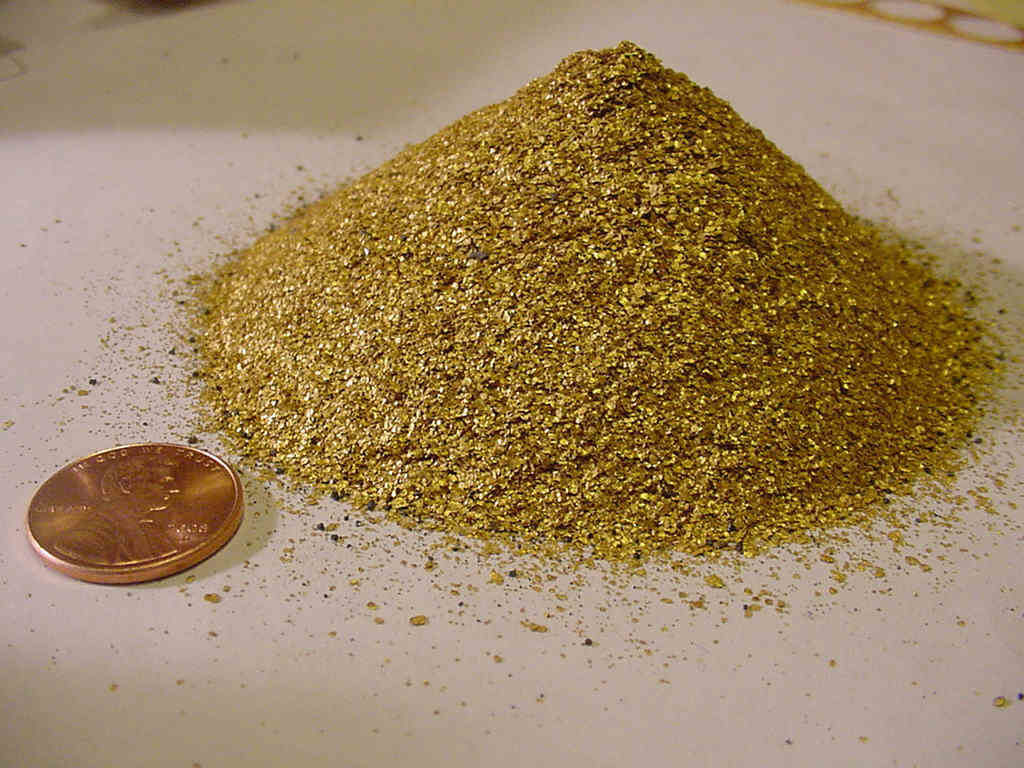
Gold dust is commonly associated with alluvial gold, which is recovered from sand and gravel deposits. The London Bullion Market Association (LBMA) describes alluvial gold as newly mined gold that is typically found as small visible pieces or dust and notes that it requires refining before it can be used as bullion or jewellery.
For this reason, buyers should treat a stated purity percentage as a transaction-specific specification that must be verified by assay, rather than assuming every gold dust parcel has the same fineness.
Gold Dust Product Overview
| Specification | Buyer Information |
|---|---|
| Product | Natural / alluvial gold dust |
| Typical form | Fine particles or small naturally occurring gold pieces |
| Origin | Cameroon, Central Africa, where supported by documentation |
| Purity | Determined by assay; varies by parcel and source |
| Weight | Subject to available parcel and transaction |
| Refining status | Unrefined mined gold requiring further refining |
| Primary buyers | Refineries, bullion companies, commercial traders and qualified gold buyers |
| Verification | Independent assay and documentary due diligence recommended |
| Documentation | Transaction-specific origin, assay and export documentation |
| Pricing | Based on fine-gold content, market conditions, refining costs and transaction terms |
Why Assay Matters When Buying Gold Dust
Gold dust can vary significantly in gold content and may contain silver, minerals and other metals. Visual appearance alone cannot establish its commercial value.
Professional buyers therefore rely on sampling, weighing and assay to determine the precious-metal content. LBMA notes that independent inspection and assay services are fundamental to determining the precise content of precious metals and to establishing reliable settlement between counterparties.
A practical valuation approach is:
Fine gold content = gross weight × assay fineness
For example, a 1 kg parcel assaying at 92% would contain approximately 920 grams of fine gold before accounting for any applicable sampling, refining, settlement or commercial adjustments.
The final commercial value can therefore depend on:
- Gross weight
- Gold assay/fineness
- Fine-gold content
- Silver and other payable metals
- Current gold market price
- Refining charges
- Assay and sampling costs
- Transportation and insurance
- Taxes, duties and applicable government charges
- Contractual payment and settlement terms
This is why a fixed price such as “$X per gram” is not a reliable way to value every parcel of gold dust.
Gold Dust Purity: What Buyers Should Verify
Terms such as 90%, 95%, 98% or 99% gold should not be accepted solely because they appear in a supplier advertisement or commercial offer.
The buyer should request documentation showing:
- Assay result
- Sample or lot identification
- Gross weight
- Assay fineness
- Testing laboratory or assayer
- Date of analysis
- Declared origin
- Chain-of-custody information
- Seller and counterparty information
- Applicable export and customs documentation
LBMA distinguishes gold purity from the physical appearance of the material and explains that fineness expresses the proportion of pure gold in an alloy in parts per thousand.
For high-value transactions, buyers should consider using an independent laboratory or assayer acceptable to both parties rather than relying exclusively on a seller-provided test.
Gold Dust vs. Gold Doré vs. Gold Ore
International buyers frequently confuse these materials.
Gold Dust
Gold dust generally refers to fine particles of mined gold, particularly alluvial gold recovered from unconsolidated deposits. It is mined gold and normally requires refining before becoming bullion-grade material.
Gold Doré
Gold doré is a semi-refined gold alloy normally produced after processing and smelting. LBMA describes gold doré as generally around 85–90% purity, although actual assay varies by material. It still requires refining.
Gold Ore
Gold ore is rock or gravel containing economically recoverable gold. Its gold concentration can be extremely low compared with concentrated alluvial gold and therefore requires mineral processing before refining.
Understanding this distinction is important when comparing supplier quotations because one kilogram of gold dust cannot be valued in the same way as one kilogram of gold ore or one kilogram of doré.
Buying Gold Dust from Cameroon: Due Diligence
A professional gold transaction should begin with verification rather than payment.
Before entering into a purchase agreement, qualified buyers should evaluate:
1. Seller Identity
Confirm the legal identity and business details of the counterparty. Obtain appropriate corporate documents and verify that the person negotiating the transaction is authorized to represent the seller.
2. Gold Origin
Ask where the gold was produced and how it moved through the supply chain.
Origin claims should be supported by appropriate documentation. Scientific origin-validation methods are also used within parts of the international gold-refining industry to identify inconsistencies between declared and observed sources.
3. Assay
Request a credible assay and establish whether the buyer and seller will accept an independent verification before final settlement.
4. Chain of Custody
The transaction should provide a reasonable documentary record showing how the material moved from its source to the seller and ultimately toward the buyer or refinery.
5. Export Compliance
Do not assume that gold can simply be packaged and shipped internationally because a seller offers an attractive price.
Cameroon’s 2023 Mining Code states that mineral substances extracted from Cameroon and destined for export must undergo expert valuation by an approved laboratory. The Code also specifically states that gold produced in Cameroon shall be exported in refined form under the applicable regulations.
Consequently, buyers considering Cameroon-origin gold should establish the applicable regulatory pathway for the specific transaction before arranging international shipment.
Responsible Gold Sourcing
Responsible sourcing is an important part of modern gold procurement.
International refiners and commercial buyers increasingly examine not only the metal itself but also the source, counterparties, supply-chain risks and supporting documentation.
The LBMA Responsible Gold Guidance distinguishes mined gold from recycled gold and covers gold originating from both large-scale and artisanal/small-scale mining operations.
For buyers, responsible sourcing due diligence can include:
- Counterparty identification
- Mine or production-area information
- Origin documentation
- Supply-chain records
- Assay documentation
- Regulatory verification
- Sanctions and financial-crime screening where applicable
- Environmental and social risk assessment
- Independent verification for higher-risk transactions
Avoid relying on marketing phrases such as “100% guaranteed,” “risk-free,” “conflict-free,” or “certified gold” unless the specific claim can be supported by appropriate documentation.
How Gold Dust Pricing Works
There is no single universal price for all gold dust from Cameroon.
A commercial quotation should normally be connected to the fine-gold content of the specific parcel.
For example:
Gross weight: 500 g
Assay: 95%
Estimated fine gold: 475 g
The actual settlement price would then depend on the agreed reference gold price, payable percentage, refining charges, assay results, logistics and other contractual conditions.
This approach is more transparent than publishing a generic price table that may become inaccurate as the international gold market changes.
Packaging and Shipment
Packaging requirements depend on the form and value of the material, the destination, carrier requirements and applicable regulations.
For international transactions, buyers should establish in advance:
- Accepted packaging standards
- Weight verification
- Security procedures
- Insurance
- Customs documentation
- Export documentation
- Import requirements in the destination country
- Refinery or receiving-facility requirements
- Assay and settlement procedures
A shipment should not be represented as “fully insured” or “globally shippable” unless those arrangements have actually been established for the particular transaction.
Who Buys Gold Dust?
Gold dust may be relevant to:
- Gold refineries
- Precious-metal processors
- Licensed commercial gold buyers
- Bullion businesses
- Jewellery manufacturers
- Industrial users
- Precious-metal traders
- Other qualified institutional or commercial buyers
The appropriate purchasing process depends on the buyer’s country, refinery requirements, transaction size and regulatory obligations.
Gold Dust Buying Process
A transparent transaction can generally follow these stages:
1. Buyer inquiry
Provide the desired quantity, destination country and intended refining or commercial requirements.
2. Counterparty verification
Exchange appropriate company and KYC information.
3. Product information
Review the available parcel, declared origin, weight and assay documentation.
4. Independent verification
Where appropriate, arrange independent sampling, weighing or assay.
5. Regulatory review
Confirm the applicable Cameroon export requirements and the import requirements of the destination country.
6. Commercial agreement
Agree on price methodology, assay basis, payment terms, delivery terms and responsibilities.
7. Documentation and shipment
Complete the required transaction, customs and export documentation before shipment.
8. Refinery settlement
The receiving refinery or approved facility verifies the material and completes settlement according to the agreed terms.
For additional background, see our guide on the gold order process from Cameroon.
Related Gold Resources
Buyers researching African gold can also explore:
- Buy Gold Ore in Africa Safely
- Best Suppliers to Buy Gold Ore in Africa
- Buy Unrefined Gold Ore from Cameroon
- Buy Gold Doré Bars from Africa
- Buy Refined Gold Bars from Cameroon
- How to Legally Import Gold from Africa
- Buy Gold Directly from Africa
- How to Import Gold from Africa to Dubai
Frequently Asked Questions
Is gold dust from Cameroon pure gold?
Not necessarily. Gold dust is mined gold and may contain silver and other materials. Its commercial purity should be established through an appropriate assay rather than assumed from its appearance or a supplier’s stated percentage.
What is the difference between gold dust and gold doré?
Gold dust generally refers to fine mined gold, particularly alluvial gold. Gold doré is a semi-refined gold alloy produced through processing and smelting and is normally supplied as a bar for further refining.
How is gold dust priced?
Gold dust is generally valued according to its verified fine-gold content, applicable market reference price, refining and assay costs, logistics and the commercial terms agreed between buyer and seller.
Can gold dust from Cameroon be exported directly?
Buyers should not assume that unrefined gold dust can be exported directly. Cameroon’s Mining Code provides that gold produced in Cameroon shall be exported in refined form under applicable regulations. The specific regulatory process should therefore be verified before a transaction or shipment is arranged.
Should buyers conduct an independent assay?
For significant transactions, independent sampling and assay can materially reduce disputes over weight and precious-metal content. LBMA identifies independent assay services as an important part of reliable precious-metal settlement.
Is gold dust the same as gold ore?
No. Gold ore is rock or gravel containing gold and normally requires mineral processing. Gold dust is already a concentrated form of mined gold, particularly when it is alluvial gold.
A Better Way to Evaluate Gold Dust from Cameroon
The strongest gold transactions are based on verification rather than promises.
Before purchasing gold dust, evaluate the counterparty, verify the material through appropriate assay procedures, establish the declared origin, review the chain of custody, understand the refining requirements and confirm the applicable export and import regulations.
For qualified buyers interested in Cameroon-origin gold, BONAS Gold can provide transaction-specific information subject to availability, documentation, verification and applicable regulatory requirements.
For a commercial inquiry, provide:
- Required quantity
- Destination country
- Intended refinery or receiving facility
- Required assay standard
- Preferred delivery terms
- Company details for due diligence


Reviews
There are no reviews yet.