



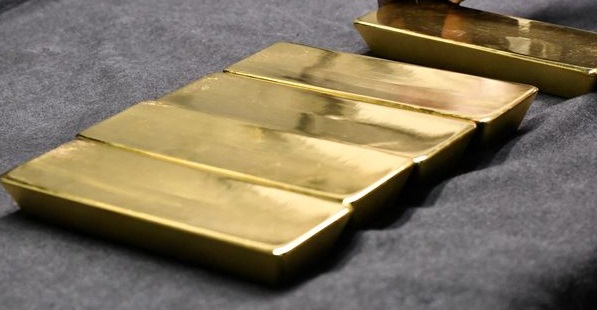
Description
Refined Gold Bars from Cameroon – 99.5% to 99.99% Fine Gold
For qualified buyers, refineries, bullion dealers, jewellery manufacturers, and professional precious-metals businesses, refined gold bars from Cameroon should be evaluated using measurable specifications rather than marketing claims. Key factors include gold fineness, gross weight, fine-gold content, assay documentation, refiner identification, serial numbers where applicable, provenance, and compliance with export requirements.
Gold fineness is normally expressed in parts per thousand. For example, 995 means 99.5% gold, while 999.9 means 99.99% gold. LBMA identifies 995.0 as the minimum fineness for London Good Delivery gold bars, although a bar being 995+ does not by itself mean that it is an LBMA Good Delivery bar. Good Delivery status also depends on the refiner and the applicable bar specifications.
Refined Gold Bar Specifications
| Specification | Typical consideration |
|---|---|
| Product | Refined gold bars |
| Origin | Cameroon, subject to transaction-specific documentation |
| Fineness | 99.5%–99.99%, subject to assay |
| Fineness notation | 995, 999, 999.9, etc. |
| Form | Cast or minted, depending on product |
| Weight | Subject to available bar specification |
| Documentation | Assay/Certificate of Analysis and transaction documentation |
| Identification | Refiner markings, weight, fineness and serial number where applicable |
| Buyer | Qualified commercial and professional buyers |
Important: A product described as “99.99% gold” should be supported by transaction-specific assay or refinery documentation. Fineness should not be assumed from appearance, photographs, or a seller’s statement alone. LBMA explains that assay results determine the fineness of gold and that 999.9 represents 99.99% fine gold.
Available Gold Bar Weights
Refined gold is commonly traded in different sizes depending on the buyer and intended use.
- 1 gram – small-format bullion
- 5 grams – individual bullion and jewellery-related applications
- 10 grams – investment and commercial use
- 1 troy ounce (31.1035 g) – widely recognized bullion size
- 100 grams – larger private and commercial transactions
- 1 kilogram – professional bullion and institutional transactions
The exact availability, manufacturing format, premium, and documentation should be confirmed for each order.
For comparison, LBMA’s standard London Good Delivery gold bar is much larger, with a minimum gold content of 350 fine troy ounces and a maximum of 430 fine troy ounces. A 1 kg gold bar is therefore not automatically a London Good Delivery bar simply because it has 99.99% fineness.
How Gold Bar Value Is Determined
The value of a refined gold bar should be calculated from its fine-gold content, rather than simply its gross weight.
A basic calculation is:
Fine gold content = Gross weight × Fineness
For example:
- 1,000 g × 0.995 = 995 g fine gold
- 1,000 g × 0.999 = 999 g fine gold
- 1,000 g × 0.9999 = 999.9 g fine gold
The final commercial price can also include fabrication or refining costs, applicable premiums, assay costs, transportation, insurance, taxes, duties, and other transaction-specific expenses.
Gold prices also change continuously. A fixed online price should therefore be treated cautiously unless it clearly states the pricing date, benchmark, currency, fineness, weight, premium, and delivery terms.
Why Assay and Documentation Matter
A professional gold transaction should be supported by documentation that allows the buyer to verify what is actually being purchased.
Depending on the transaction, relevant information can include:
- Gross weight
- Fine-gold content
- Assayed fineness
- Refiner or producer identification
- Serial number where applicable
- Certificate of Analysis (COA)
- Origin documentation
- Commercial invoice
- Packing and shipping documentation
- Applicable export documentation
- Responsible-sourcing information
LBMA’s published bar specifications illustrate the importance of identifying information such as the refiner’s stamp, serial number, fineness and manufacturing date for Good Delivery bars.
For high-value transactions, buyers should also consider independent verification or an independent assay rather than relying exclusively on documents supplied by the seller.
Cameroon Gold Export Requirements
International buyers should pay particular attention to Cameroon-specific regulations.
Cameroon’s Law No. 2023/014 of 19 December 2023 establishing the Mining Code provides that mineral substances extracted from Cameroon and destined for export must undergo expert valuation by an approved laboratory. The Code also states that gold produced in Cameroon shall be exported in refined form under the applicable regulatory conditions and provides for stamping by an authorized public body.
The same Code provides for a certificate of authenticity for precious stones or metals leaving the national territory.
This means a responsible seller should not simply promise that raw gold can be shipped internationally without first confirming the applicable legal pathway.
Cameroon’s Ministry of Mines, Industry and Technological Development (MINMIDT) also lists the 2023 Mining Code and subsequent implementing regulations governing mining activities, including regulations concerning the possession, marketing, export and transit of mineral substances.
Buying Refined Gold Bars from Cameroon: What Should Buyers Verify?
Before making a substantial payment, an international buyer should establish:
1. Who is the seller?
Verify the company’s legal identity, physical presence, registration information, authorized representatives, and business documentation.
2. What exactly is being sold?
The offer should clearly state:
- Gold bar weight
- Fineness
- Number of bars
- Fine-gold content
- Bar type
- Refiner or producer
- Available documentation
3. Can the gold be independently verified?
For a high-value transaction, consider independent assay, inspection, or verification through an appropriate professional laboratory or bullion specialist.
4. Is the origin documented?
The buyer should understand the source of the gold and request appropriate origin and supply-chain documentation.
5. Is the transaction legally exportable?
Cameroon-origin gold must be handled according to the applicable Mining Code and implementing regulations. Do not rely on generic claims such as “worldwide shipping guaranteed.”
6. Are the commercial terms clear?
The contract should identify:
- Price mechanism
- Currency
- Quantity
- Delivery location
- Incoterm where applicable
- Insurance responsibility
- Taxes and duties
- Payment conditions
- Assay procedure
- Inspection rights
- Dispute-resolution provisions
Responsible Gold Sourcing
Responsible sourcing is more than describing gold as “ethical.”
The buyer should consider whether the transaction provides sufficient information about origin, supply-chain participants, legal compliance, human-rights risks, corruption risks, and financial-crime risks.
The OECD’s responsible mineral supply-chain framework emphasizes due diligence throughout mineral supply chains, including identifying and addressing risks associated with responsible business conduct.
For international buyers, this makes traceability and documentation important parts of evaluating a gold supplier.
Refined Gold vs Gold Doré vs Gold Ore
These products should not be treated as interchangeable.
| Product | What it means | Main valuation consideration |
|---|---|---|
| Gold ore | Rock or material containing gold | Gold grade, recovery and processing economics |
| Gold dust | Naturally occurring fine gold particles | Weight and assay/fineness |
| Gold nuggets | Natural pieces of alluvial/placer gold | Weight, fineness and potentially collector characteristics |
| Gold doré | Semi-refined mined gold alloy | Fine-gold content and refinery settlement |
| Refined gold bar | Gold processed to a specified fineness | Fine-gold content, assay, weight and market price |
This distinction is particularly important when comparing supplier quotations.
Avoiding Gold-Trade Scams
International gold buyers should be cautious when a seller:
- Guarantees unusually large profits
- Provides a fixed price without explaining the pricing basis
- Refuses independent assay or inspection
- Uses unverifiable government-looking certificates
- Claims automatic customs clearance
- Demands payment for unexplained “release fees”
- Pressures the buyer to transfer funds immediately
- Uses personal accounts for large commercial transactions
- Cannot explain the legal export process
- Makes unsupported claims about refinery accreditation
A professional transaction should allow reasonable time for KYC, document review, assay verification, contract review and compliance checks.
Buying Refined Gold Bars from Cameroon
BONAS Gold can provide transaction-specific information for qualified buyers seeking refined gold products from Cameroon.
The appropriate documentation, bar specifications, available quantities, assay information, pricing basis and delivery arrangements should be confirmed before a purchase agreement or payment is made.
For buyers evaluating Cameroon-origin gold, our resources can also help explain the distinction between refined gold, doré, gold dust and unrefined ore and the documentation involved in international transactions.
Related BONAS Gold Resources
- Gold Order Process From Cameroon – A Comprehensive Guide
- Buy Gold Directly From Africa
- Buy Gold Ore in Africa Safely
- Buy Unrefined Gold Ore for Refineries
- How to Import Gold From Africa to Dubai
- How to Legally Import Gold From Africa
Frequently Asked Questions
What purity is considered refined gold?
Refined gold can be produced at different fineness levels. 995 represents 99.5% gold, while 999.9 represents 99.99% gold. The actual fineness should be established through an appropriate assay.
Is 99.5% gold the same as LBMA Good Delivery gold?
No. 995 is the minimum fineness requirement for an LBMA Good Delivery gold bar, but Good Delivery status also requires compliance with other specifications and relates to bars from refiners on the applicable LBMA Good Delivery List.
Can buyers purchase 1 kg refined gold bars?
Yes, 1 kg is a common commercial gold-bar format. However, the specific bar’s refiner, fineness, assay, markings and market acceptance should be verified independently.
How should I verify a gold bar?
Review the bar’s documentation, weight, fineness, identifying marks and serial number where applicable, and consider independent inspection or assay for high-value transactions.
Can Cameroon-origin gold be exported as raw gold?
Cameroon’s 2023 Mining Code states that gold produced in Cameroon shall be exported in refined form under applicable regulations. Buyers should therefore verify the current legal and documentary requirements before arranging an international shipment.
Does 99.99% gold guarantee an investment return?
No. Gold prices fluctuate, and a gold bar’s investment performance depends on the purchase price, market price, premiums, transaction costs and eventual selling price.
Before purchasing refined gold bars from Cameroon, confirm:
✓ Seller identity
✓ Gold weight
✓ Assayed fineness
✓ Fine-gold content
✓ Certificate of Analysis
✓ Refiner identification
✓ Serial number where applicable
✓ Origin documentation
✓ Responsible-sourcing information
✓ Export compliance
✓ Independent verification
✓ Contract and payment terms
✓ Shipping, insurance and customs responsibilities


Reviews
There are no reviews yet.